 My Account
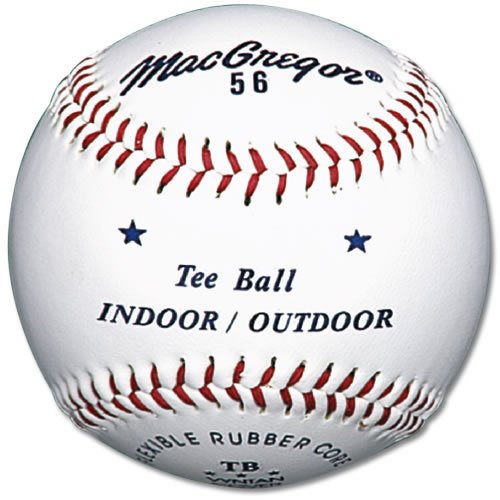
MacGregor #56 Official Indoor/Outdoor Tee Balls (12-Pack)
⚡ FAST SHIP
$45.44
MacGregor #87OL Senior League baseballs dozen for sanctioned league play.
Spartan Athletic Co. carries youth league baseballs certified for competition across all major amateur governing bodies — Little League Baseball, Cal Ripken, Babe Ruth, Pony League, Dixie Youth, and Senior Little League. All balls are sold by the dozen from MacGregor, Rawlings, and Wilson. Each model is built to the specific cushioned cork center and leather cover construction required by its governing body. Tee balls are also stocked for introductory and pre-tee programs. Purchase orders and tax-exempt procurement are supported.
Showing all 12 results
MacGregor #87OL Senior League baseballs dozen for sanctioned league play.
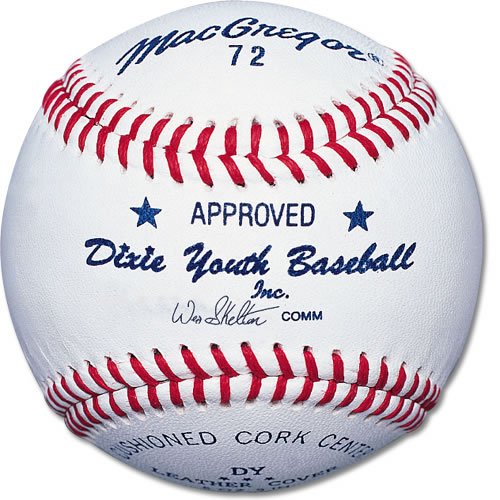
MacGregor #72 official Dixie Youth baseballs dozen for sanctioned league play.
MacGregor #73C official American Legion baseballs dozen for sanctioned play.
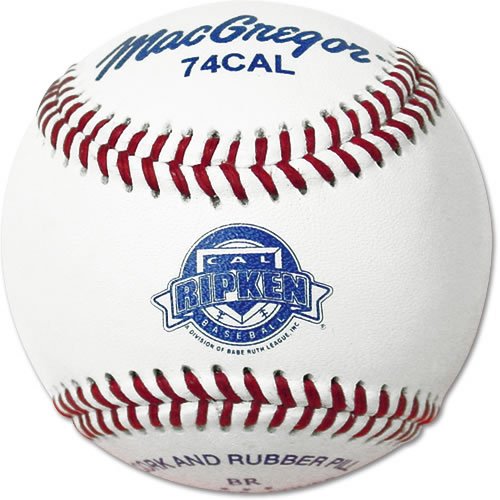
MacGregor #74 Cal Ripken baseballs 12-pack for sanctioned Cal Ripken league play.
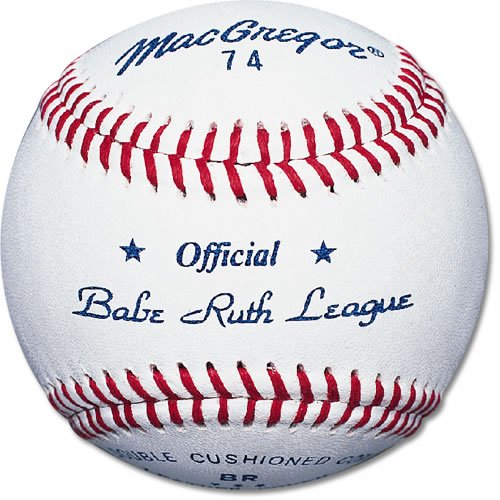
MacGregor #74 official Babe Ruth baseballs dozen for sanctioned league play.

MacGregor #75 official Pony League baseballs dozen for sanctioned league play.

MacGregor #75CY official Pony League baseballs dozen for sanctioned tournament play.
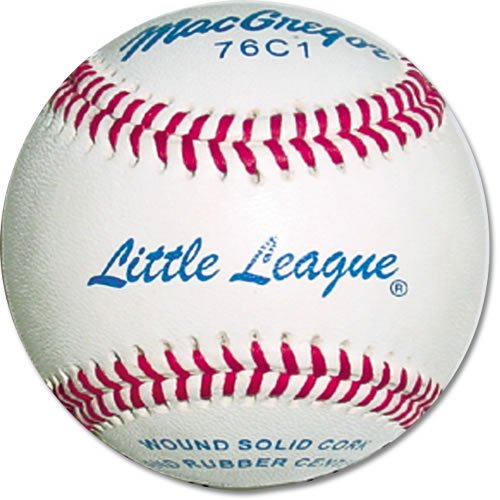
MacGregor #76 C1 Little League baseballs dozen for sanctioned league play.
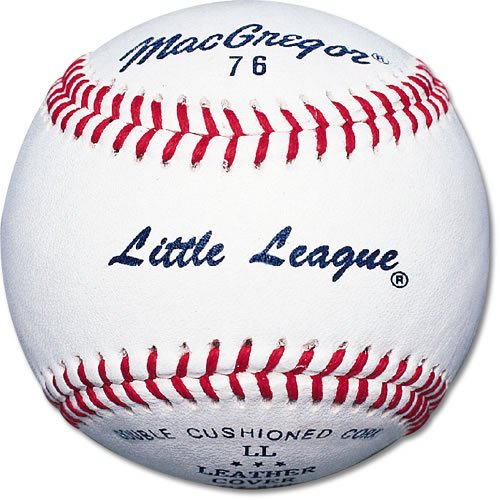
MacGregor #76C Little League baseballs dozen for sanctioned game and practice.
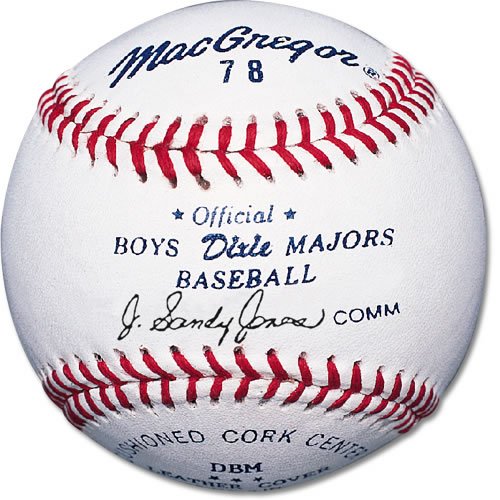
MacGregor #78 official Dixie Boys Majors baseballs dozen for sanctioned league play.

Rawlings RDZY1 official Dizzy Dean baseballs dozen for sanctioned league play.
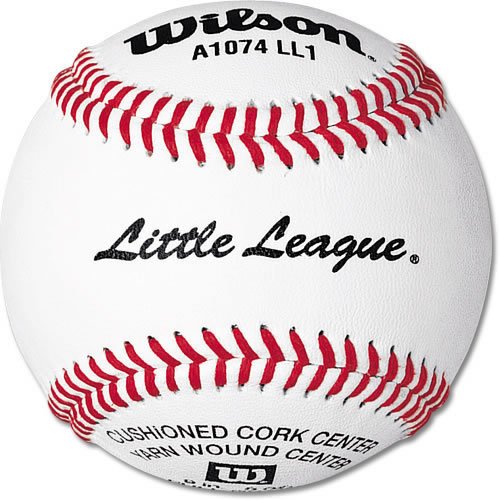
Wilson A1074BLL1 C-grade cover baseballs dozen for Little League practice.
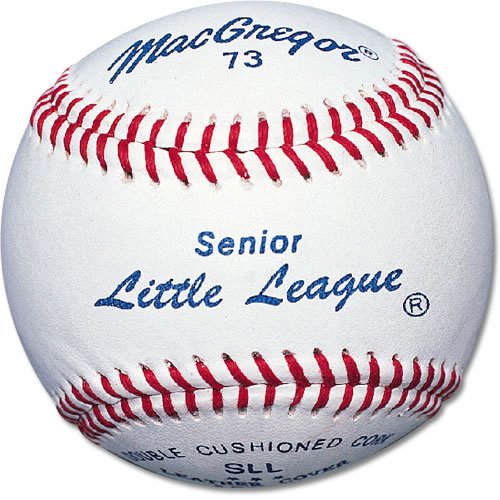
Each youth league governing body maintains its own approved ball list, and using a non-approved ball in sanctioned competition can result in a forfeit or protest. The governing body name is stamped directly on each ball, making verification straightforward at the field level. The MacGregor lineup covers the widest range of certifications in a single manufacturer: the #76C and #76C1 for Little League, #74 for both Cal Ripken and Babe Ruth (each stamped with the respective organization's name), #75 and #75CY for Pony League, #72 for Dixie Youth, #73C for Senior Little League, and #78 for Dixie Boys Majors. The Rawlings RDZY1 is the approved ball for Dizzy Dean Baseball leagues. The Wilson A1074BLL1 is a C-grade cover Little League ball suited for practice use within Little League programs.
The MacGregor #56 indoor/outdoor tee ball is available in 12-packs for T-ball and coach-pitch introductory programs. Rubber construction handles high-volume use on both indoor and outdoor surfaces without the wear issues that leather covers experience at the tee ball level, where balls are hit repeatedly off a stationary tee rather than pitched.
League coordinators and team equipment managers sourcing balls for a full season should account for both game ball and practice ball needs in the same order. Ordering practice balls from the same governing body-certified line is the most straightforward approach — it ensures consistent feel between practice and game situations and eliminates the need to manage two separate ball inventories. Programs running multiple age divisions under different governing bodies should order each ball type separately and confirm certification before the season begins rather than at game time.